
Our work and who we serve
We unite public and private stakeholders across the value chain, from producers and investors to airlines, to accelerate the production and offtake of sustainable aviation fuel in the Pacific Northwest

Building Cascadia's sustainable aviation fuel (SAF) ecosystem
The Cascadia Sustainable Aviation Accelerator is a cross-sector coalition working to scale the production and adoption of SAF in the Pacific Northwest. The SAF transition carries enormous economic and environmental value, and we are committed to making Cascadia the next global hub for sustainable aviation.
Getting there takes more than new fuel. It requires systemic change in technology, infrastructure, financing, and policy. That’s why we convene and serve stakeholders across the full SAF value chain, and why we’ve quantified the financial opportunity for each of them. We see Cascadia as a roadmap for other regions around the world.
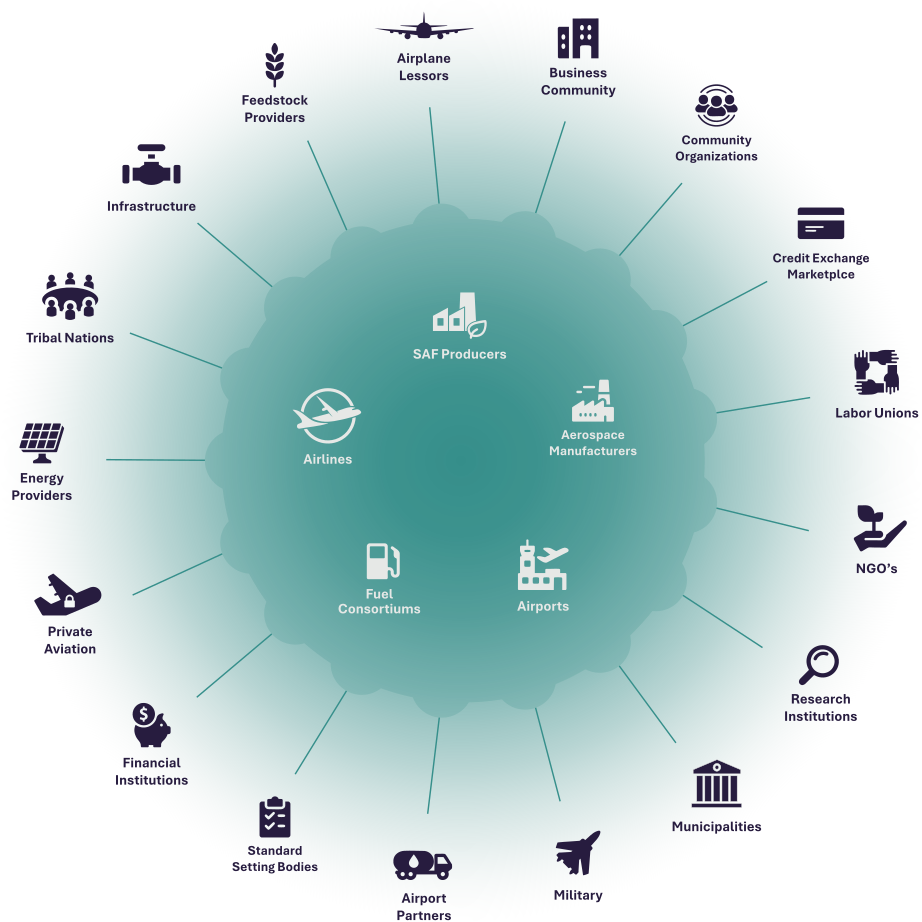
Value chain stakeholders
Our partnerships span the full SAF ecosystem, working collaboratively to drive holistic and systems-level solutions to sustainable aviation.
Fuel producers
Cascadia provides fuel producers with improved offtake opportunities, enhanced access to capital, and better coordination across feedstocks, energy, and infrastructure.

Investors
Investors benefit from de-risked investment opportunities, multi-party partnerships, and values-aligned climate investments.

Airlines
Cascadia helps airlines increase SAF availability, reach cost parity with fossil fuel quicker, and unlock unique partnership opportunities.

Drive regional production capacity
Attract producers to the PNW to help scale supply and lower the West Coast SAF premium.

Reduce technology uncertainty
Accelerate the development and commercialization of new SAF production pathways.

Deliver tangible economic value to the region
Position the PNW as a global hub for next-gen aerospace and clean fuel innovation.

Improve air quality and environmental outcomes
Deliver measurable reductions in emissions and pollution, especially near airports and transportation corridors.
Drive regional production capacity
Attract producers to the PNW to help scale supply and lower the West Coast SAF premium.
Reduce technology uncertainty
Accelerate the development and commercialization of new SAF production pathways.
Deliver tangible economic value to the region
Position the PNW as a global hub for next-gen aerospace and clean fuel innovation.
Improve air quality and environmental outcomes
Deliver measurable reductions in emissions and pollution, especially near airports and transportation corridors.

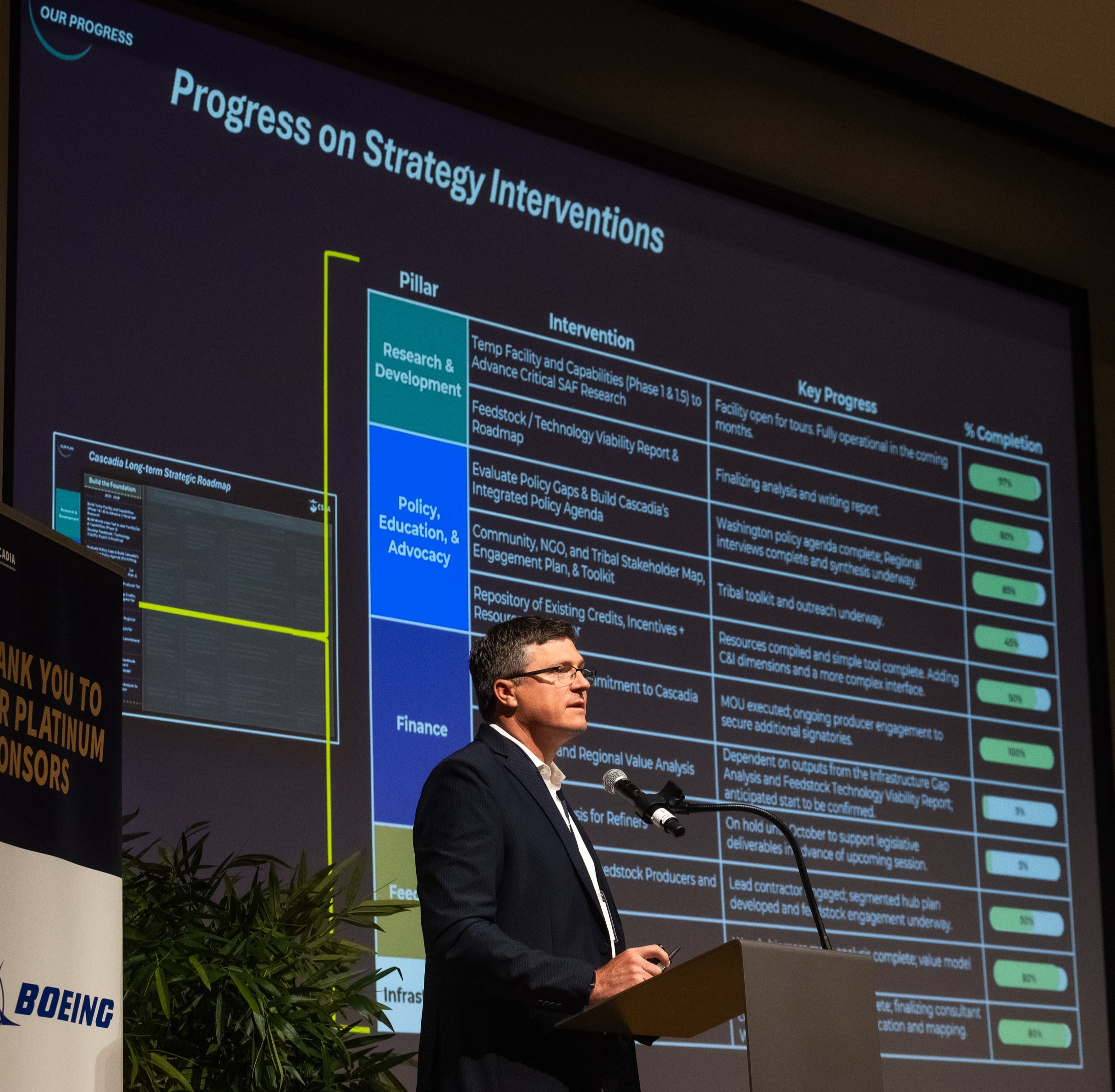
Our interventions
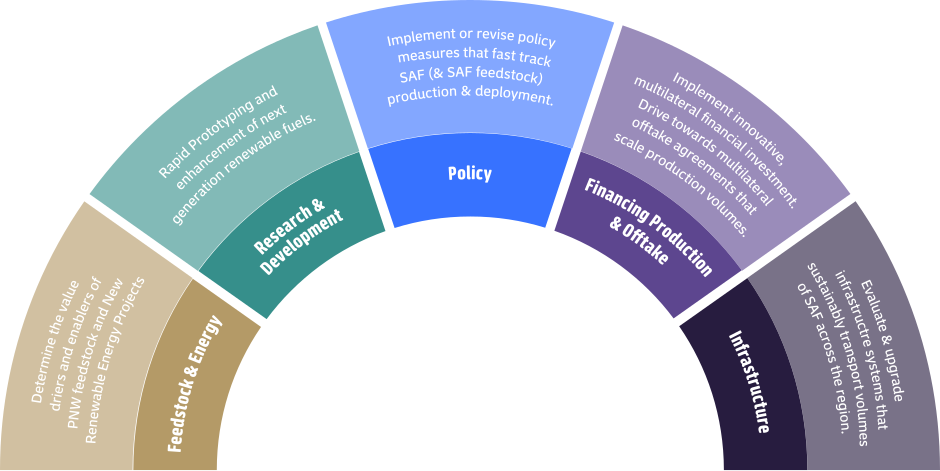
Accelerating SAF production and adoption requires coordinated interventions targeting each pillar of systemic change. Cascadia’s priority interventions emerged from coalition-wide dialogue – including airlines, ports, research institutions, federal agencies, and more.
This is just the beginning. Many more interventions are needed to unlock full market potential.
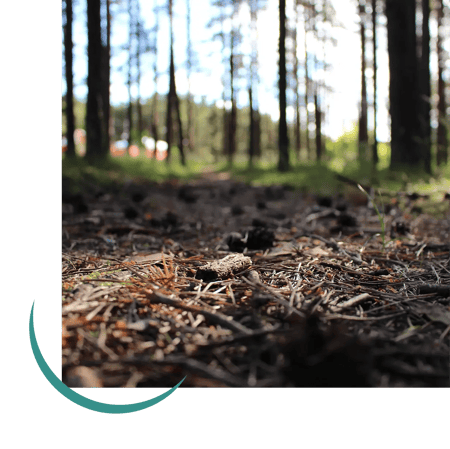
Unlock woody biomass as a large-scale feedstock opportunity
Work with public and private partners to unlock access to vast quantities of woody biomass and build a sustainable woody biomass supply chain to accelerate SAF production.
Provide leased modular production facilities and digital twins
Stand up cost-effective, miniature incubator labs to help producers test and develop fuels. Create digital versions of biorefineries using a computer model to adjust fuel formulas.

Advocate for harmonized incentives and offtake mechanisms across the West Coast
Unify Clean Fuel Standard (CFS) policies across California, Oregon, Washington, and British Columbia and lay the foundation for expansion into Idaho and Montana. Advocate for SAF production credits and offtake allowances throughout the region.

Explore multi-modal offtakes across maritime, trucking, and aviation
Every SAF biorefinery also produces renewable diesel. Coordinate offtakes across sectors, including trucking, maritime, and aviation, to improve economics and accelerate adoption.
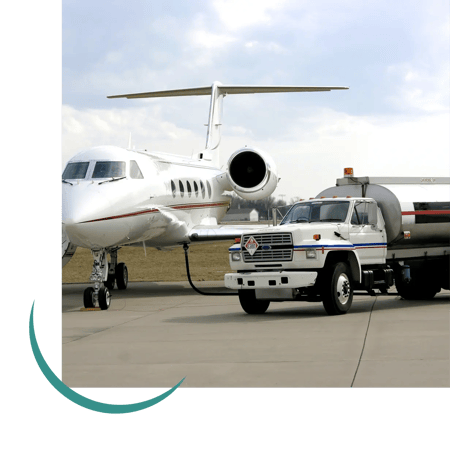
Advocate for the construction of blending terminals and supply chains
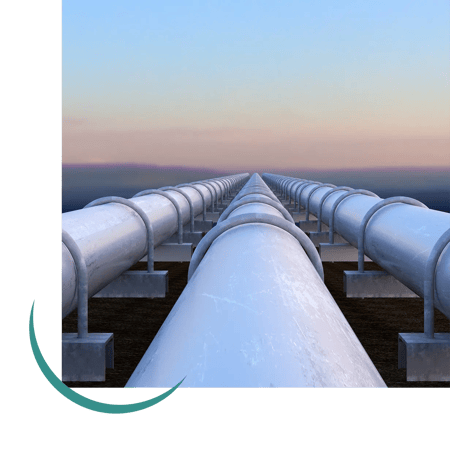
Increase the availability of infrastructure to move SAF from where it’s produced to where it’s consumed in the most sustainable and cost-effective way possible.


Helpful resources
The power of localized coalition building in accelerating the renewable fuels transition