.png)
Cascadia Sustainable Aviation Leadership Summit
September 29 - 30, 2026 | Bell Harbor International Conference Center | Seattle, Washington
Summit Sponsors
.png?width=200&name=SKYNRG-Logo-RGB-Nature-Dark-Green%20(3).png)










.svg.webp?width=150&name=Microsoft_logo_(2012).svg.webp)
Summit Sessions
Below is a listing of sessions and panels taking place over the two-day summit. Summit speakers will be announced soon.
Day 1 - September 29, 2026
This session will bring together voices from across the region's aviation and fuel supply chain to discuss what it will take to deliver roughly 80 million gallons of SAF to Seattle-Tacoma and Spokane airports within the next 18 months. Panelists will dig into the policy support needed to hit this target and how near-term action can also lay the groundwork for a lasting SAF market in the Pacific Northwest. The session will also emphasize that this goal is embedded in the region's prioritization of climate change, public health, and sustainable economic growth.
This panel will bring together the region's leading renewable fuels producers to discuss both the progress made and the challenges ahead in scaling production. Panelists will cover the SAF pathways currently in use, recent SAF wins across the Pacific Northwest, and what it will take to overcome the infrastructure and production barriers to further growth.
.jpg?width=450&height=1234&name=Pipes%20and%20valves%20(1).jpg)
During this session Cascadia will share the strategic outcomes from Cascadia's work over the past year across five priority areas: infrastructure, policy, R&D, financing, and feedstocks. It's an opportunity to review progress in each area and discuss which strategic interventions Cascadia will focus on next.
This panel will bring together leaders from Washington, Oregon, California, and British Columbia to discuss how the region can align policy and collaborate on the shared mission of scaling SAF. Discussion will touch on cross-border coordination, aligning clean fuel standards and incentives, and carbon market linkage. Panelists will make the case that the region's SAF goals are achievable and lay out the path to get there.
.jpg?width=800&height=1234&name=Pipes%20and%20valves%20(1).jpg)

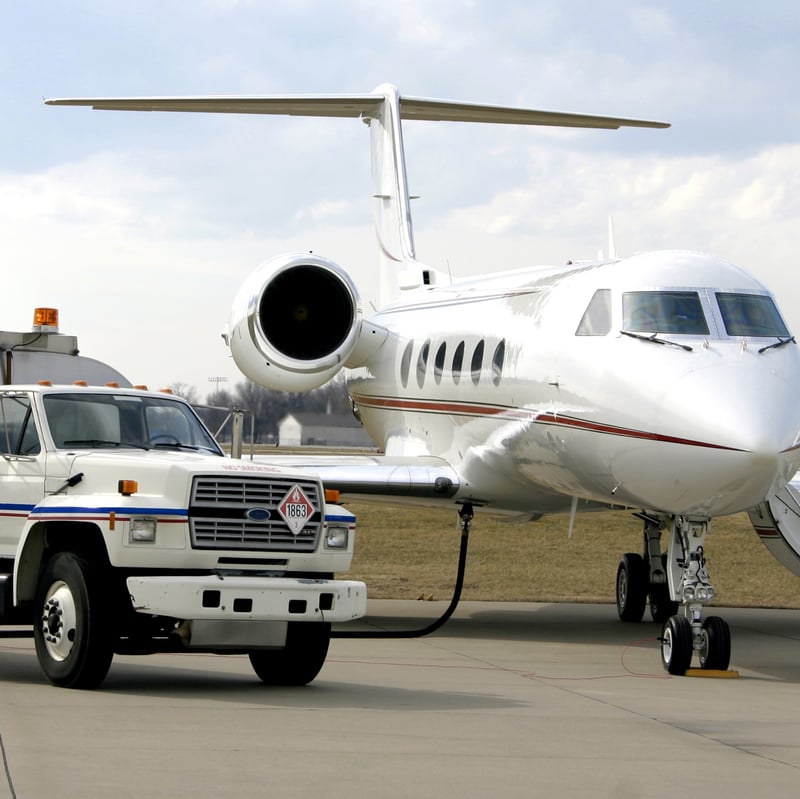
Day 2 - September 30, 2026
This session will bring together voices from across the region's aviation and fuel supply chain to discuss what it will take to deliver 1 billion gallons of locally produced SAF by 2035. It will set the stage for the rest of the day's sessions, as policy, R&D, financing, feedstocks, and infrastructure developments are all crucial to meeting this goal.
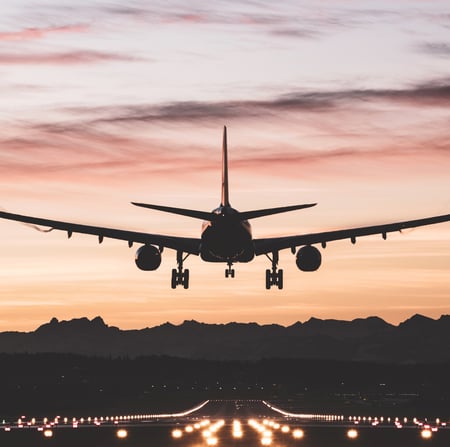
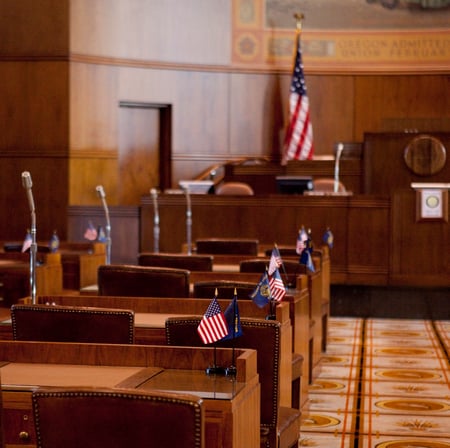
This panel will examine the state-level policies that have proven effective in scaling SAF, from clean fuel standards to tax credits. Panelists will discuss why these mechanisms matter, what's worked well, and where there may be opportunities for refinement.
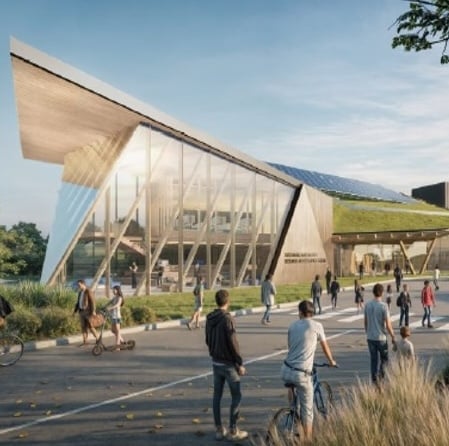
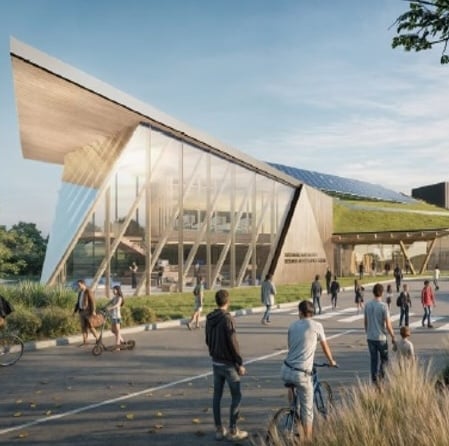
This session introduces the Cascadia Institute at Paine Field, exploring the facility's research and development focus areas and why a dedicated facility like this is so integral to scaling SAF. No other facility in the region is doing this work, making the Institute a critical piece of the region's path forward.
This breakout session digs into the value drivers and enablers behind Pacific Northwest feedstock and new renewable energy projects. Discussion will focus on what it takes to unlock these opportunities and position the region's feedstock base to support SAF production at scale.

This breakout session explores how innovative, multilateral financial investment can help scale SAF production in the region. Discussion will focus on driving toward multilateral offtake agreements that increase production volumes and give producers the confidence to scale.
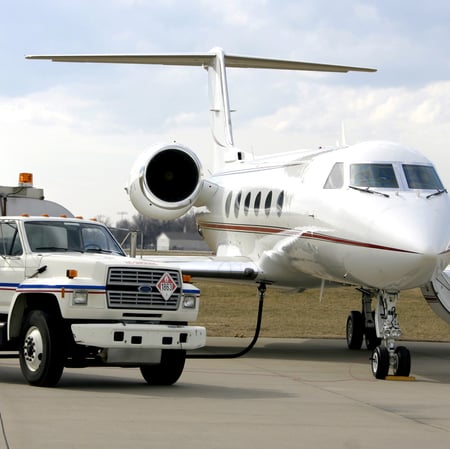
This panel will bring together emerging renewable fuels producers who don't yet have the capital to produce SAF today, focusing on the SAF pathways of tomorrow and where they fit into the region's 1 billion gallon goal. Panelists will discuss what it will take to bring these producers into the SAF ecosystem as the region scales.
This panel examines the current infrastructure challenges standing in the way of scaling SAF, from production to distribution. Discussion will focus on evaluating and upgrading the systems needed to sustainably transport growing volumes of SAF across the region.
.jpg?width=450&height=1234&name=Pipelines%20(1).jpg)
.jpg?width=800&height=1234&name=Pipelines%20(1).jpg)
.jpg?width=3855&height=1436&name=Airplane%20Pacific%20Northwest%20(1).jpg "Airplane Pacific Northwest (1)")